

Warmer temperatures accelerate pest reproduction and activity while rainfall and colder weather push pests indoors. Weather patterns play a large role in pest seasonality. By knowing which pests are more likely to invade your home during each season, you can prepare your property to avoid infestations before they start.
Spring Brings Hibernating Pests Out of Darkness
Spring weather causes the ground to warm up and increases moisture levels. As temperatures rise and rain starts to fall pests that have been dormant all winter begin to look for food, water, and shelter.
Ants and Termites Take Advantage of Wet Soil
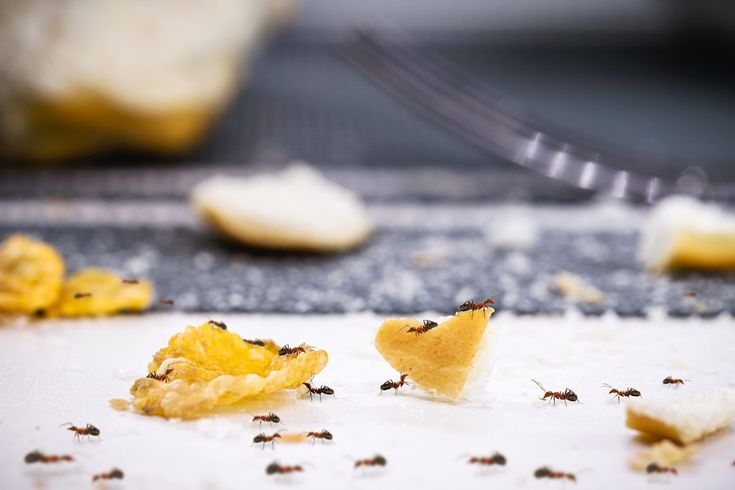
Ants become much more active in the spring as colonies expand and start looking for food. Termites will also take advantage of nice spring weather as they swarm in the evening after a day of warm temperatures and humidity.
Termites can cause serious structural damage to your home so spotting them early in the spring is important.
Rain and Humidity Help Bugs Thrive
Rainy spring weather contributes heavily to pest activity. Increased humidity and water saturation from the ground makes insects like earwigs, silverfish, and centipedes very comfortable outdoors.
Eliminating standing water and other issues with drainage will keep pests from moving inside.
Hot Summer Months Mean Faster Breeding
Insects breed faster in hot weather which can allow their populations to double in as little as two weeks. With summer heat contributing to large amounts of reproduction overnight, it is important to keep up with pest control measures.
Mosquitoes Love Summer
Mosquitoes lay their eggs in water so any areas of standing water should be addressed as soon as possible. Whether its rain that’s leftover in clogged gutters or water people leave out for their pets mosquitoes will breed in it.
As temperatures continue to stay warm and mosquitoes breed faster you’ll start to notice more of them than you did previously.
Roaches and Ants Reproduce Quickly
Heat also contributes to roaches and ants coming inside more frequently. Whether its searching for food in the kitchen or water in the bathrooms pests are looking for moisture.
Food should always be kept sealed, and any leaks should be addressed immediately.
Opening windows and doors also increases your chances of flies, moths, and other bugs making their way indoors. Repair any damaged screens and watch for gaps around windows and doors.
Summer Storms Flood Indoor Spaces
Many pests will search for higher ground when it rains to keep from getting flooded in their nests. This is when you’ll start to see ants, spiders, roaches, and rodents come into your home.
They tend to look for areas like basements, crawlspaces, and garages. Sealing cracks in your foundation and watching for gaps will help eliminate entry points.
Water Left from Summer Storms Invite Guests
If you haven’t cleaned out your gutters lately then water is likely pooling in areas it shouldn’t be. Moisture attracts moisture loving pests like millipedes and mosquitoes.
Trim back tree branches away from the house and address any drainage issues to prevent infestations.
Fall Forces Pests Inside
When temperatures start to cool outside pests are going to look to start moving indoors. As outdoor food becomes more limited rodents search anywhere they can for food, nesting materials, and shelter.
Pay attention to openings around the foundation of your home, doorways, and where utility lines enter your home.
Falling temperatures also send insects into hiding around your home. Stink bugs, boxelder bugs, and cluster flies tend to find a sunny side of your house and hide in cracks and crevices.
They’ll come inside during the night and stay dormant until temperatures start to heat back up.
Winter Won’t Keep Pests Away
Believe it or not pest activity doesn’t go away in the winter. In fact, rodents tend to move inside more during cold weather since your home offers them warmth and shelter.
Often you’ll find mice and rats nesting in your attic insulation or inside storage boxes. Signs of winter rodent activity include scratching sounds in the walls and ceilings as well as droppings and gnaw marks.
A lot of pests don’t go anywhere during winter. Things like cockroaches, silverfish, and spiders can often find everything they need to thrive in your home during winter.
Taking Preventative Measures Helps
There are steps you can take to prevent pests from moving into your home because of weather changes. Seal cracks and openings around windows, doors, foundations, and where utility line go through walls.
Make sure your gutters are cleared out and water is draining away from your home. Trim back any vegetation from siding and roofs to prevent pests from taking the path of least resistance.
Controlling the humidity levels in your home and fixing leaky pipes will also help you avoid indoor pest problems.
Professional Prevention and Treatment Works Best
No one can predict Mother Nature. Summer storms can happen when you least expect them, and autumn temperatures can start to fall sooner than you think.
Pest control services like Vinx Pest Control know how seasonal weather will affect pest pressure in your yard. Applying preventative treatments now will help you avoid any infestations taking hold this season.
Regularly scheduled maintenance and inspections are the best way to avoid pest problems all year long.
Weather conditions cause lots of different pests to become more active around your property. Some will come inside when the weather outside isn’t preferable, while others use the rain to reproduce quicker.
By taking preventative measures now, you can stop infestations before they happen. Schedule your annual pest control treatment with Vinx Pest Control today!
Frequently Asked Questions
Why do pests become more active following rainstorms?
Rain floods outdoor pest nesting sites and creates excess moisture. Pests want to come indoors. Rain also helps insects like mosquitoes breed faster.
Do pests die when the weather gets cold?
No, that isn’t always true. Although some pests become dormant when winter arrives, pests like rodents come inside to live in your walls.
Why are ants more prevalent during warmer months?
Ants are everywhere when temperatures start to rise. They love warmth, which is why you’ll see more ants searching for food and water in your kitchen during spring and summer.
Does humidity affect pest problems?
Yes, pests love humidity. Whether it’s spring rain or naturally high humidity levels, pests like roaches, silverfish, and mosquitoes need moisture to survive.
How can I prevent pests from invading my home during seasonal changes?
Seal any openings pests can use to get inside your home. Reduce excess moisture and clean out your gutters so rainwater is draining properly away from your foundation.