

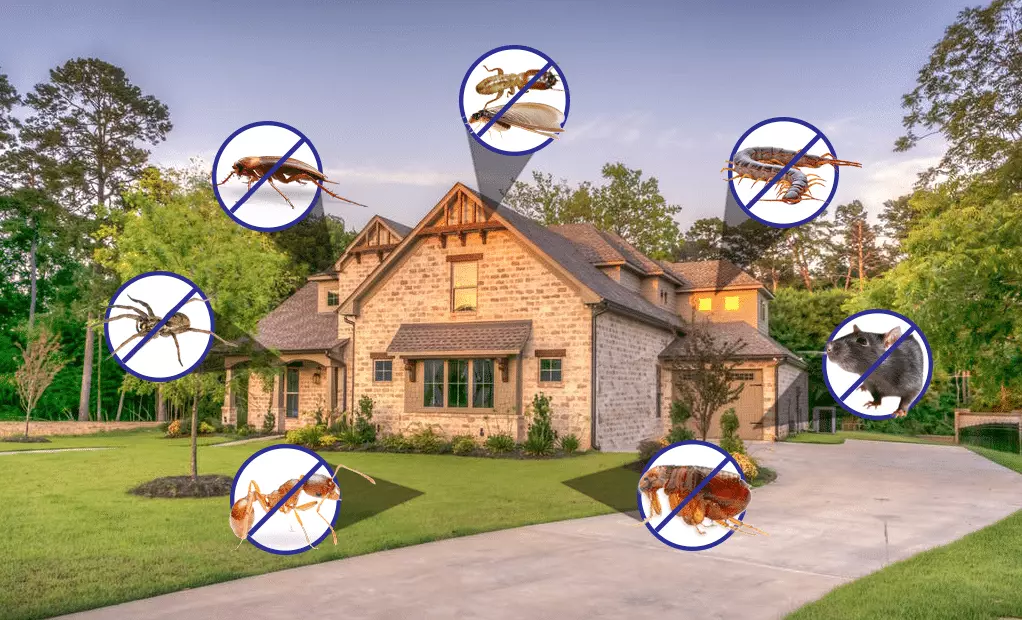
Pests don’t need your front door wide open to invade your home. In fact, most insects and rodents enter your house through small cracks, tiny gaps around utilities, and other openings you don’t even notice. They come inside to find food, water, and shelter. Before you know it, they have nests in your walls, attic, basement, and crawlspace.
Identifying where pests enter your home and learning how to seal those entryways is one of the best ways to avoid pest problems before they start.
Small Access Points Can Equal Big Problems
Even tiny spaces are large enough for pests to squeeze inside. Ants can pass through small cracks to create trails into your kitchen and pantry. Mice can fit through holes the size of a dime. Roaches and spiders can expand to squeeze through openings around pipes, vents, and the foundation.
Leaks and weather fluctuations cause problems too. Materials expand and contract with hot and cold temperatures, overtime creating small cracks around windows, doors, siding, and chimneys. These larger openings create convenient entryways for pests searching for food and warmth.
Common Entry Points
Entry points around your home vary, but some areas are more susceptible than others. Utility lines are a common problem because pests can enter through gaps around pipes, cables, and wires that lead into your house. These areas offer convenient access into walls and crawlspaces.
Door and window frames are other common areas. Worn door sweeps, damaged or screened vents, torn window screens, and spaces beneath doors create opportunities for insects and crawling pests to get inside.
Similarly, garage doors are prone to pest intrusion because the bottom seal wears down over time. This allows small spaces for pests to squeeze through.
Rooflines are another way pests enter homes. When flashing becomes damaged, shingles shift, or attic and dryer vents are not covered properly, rodents, birds, and insects can enter through the roof. Trees touching the roof create easier access.
The biggest attractant for pests is moisture
Areas of your home with water and moisture attract pests. Leaky pipes, trapped water in gutters, and poor draining areas attract insects like roaches, silverfish, and termites.
Basements and crawlspaces are vulnerable because they offer pests moisture and shelter. Even drain traps under sinks and floor drains can serve as entry points if they become dry or are not sealed properly.
While sealing your home is important, controlling moisture is equally important.
Seal Them Out!
Look around your property and pay attention to where pests enter your home. These are the areas you should focus on sealing. There are many do it yourself methods to prevent pests from entering your home.
Use caulk to seal small cracks and holes around windows and doors. Fill larger gaps with expanding foam. Place steel wool along with caulking materials to deter rodents. Rodents can’t chew through steel wool as easily as they can wood or material caulking.
Check doors for worn weatherstripping and add door sweeps to the bottom of doors to seal gaps. Repair or replace damaged window and vent screens. Use metal mesh screen material for attic and dryer vents to prevent pest entry while allowing air flow.
Landscaping provides access too.
Take time to inspect your landscaping. Trim back tree branches that touch the roof. Stack firewood away from the home and lift it off the ground to prevent rodents and insects from nesting underneath.
You should also clean your gutters and fix drainage problems so water pools away from your home instead of near the foundation.
Maintenance is important!
Because of weather and wear and tear, sealing your home is an ongoing process. What’s sealed one year may not be sealed the next. Once a year inspections are recommended to keep pests from taking advantage of small openings.
Likewise, food storage and cleanliness play a role. Keep food stored in sealed containers and clean up crumbs and spills immediately. Reduce clutter to limit their hiding spots.
Use these tips in addition to proper sealing methods and moisture control to keep pests from entering your home.
Knowing When to Call the Pros
In some cases, pests invade your home before you even know there are entry points. If bugs are inside walls, your attic, or crawlspace, sealing the exterior of your home may not solve the problem.
A pest control service like Vinx Pest Control can help by locating hidden entry points and applying treatments designed to target the problem. Plus they offer prevention plans to help homeowners stop pest issues from happening in the future.
Conclusion
Pests enter homes through small openings, damaged seals, and moisture areas that homeowners don’t often see. Once they gain access, pests will spread to other areas of your house. It’s difficult to get rid of pests once they’ve moved in.
The easiest way to control pests is to regularly inspect your property and look for problem areas. Seal up vulnerable areas around the exterior of your home and practice good home maintenance to avoid pest issues all year long.
Frequently Asked Questions
What are some common ways pests can enter my home?
Some common ways pests enter your home include foundation cracks, spaces around windows/doors, roof vents, spaces around wires and pipes, and damaged screens.
Do mice really fit through holes the size of a dime?
Yes! Mice can fit through extremely small holes that most homeowners would never notice.
What is the best way to seal openings to prevent pests?
Use caulking for small openings and expanding foam for larger gaps. Try using steel wool along with caulk to deter rodents.
Why are basements and crawlspaces more susceptible to pests?
Because moisture tends to grow in these areas and many entries go unseen. Places like floor drains and unused trap piping can lead to hidden entries.
If I seal every opening will I still need pest control?
If you already have pests in your home or continue to get pest problems after sealing all you can. it may be time to call a professional to look for areas you may have missed.
Feel Free to contact Vinx Pest Control