

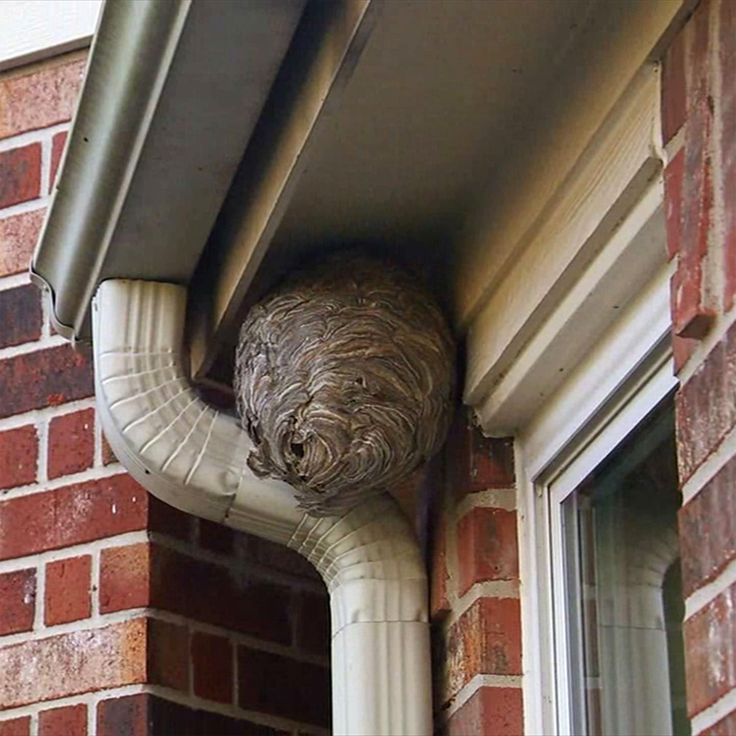
Wasps and hornets can quickly turn your yard, porch, patio, or outdoor living spaces into high-stress zones where everyone tries to avoid being stung. Wasp nests can appear underneath roofs, overhangs, from trees near patios and decks, in gutters, or underground near foundations.
Most wasp species play an important role in naturally controlling other pest insects around your home. However, large nests near activity areas pose unnecessary safety risks to your family and pets.
The good news is you can eliminate wasp and hornet problems by identifying common species, safely removing nests on your property, and implementing long term prevention strategies.
Identify the Type of Wasp or Hornet
While all wasps and hornets can sting repeatedly, each species reacts differently when you try to treat or remove their nests. Learn how to identify common wasp species before taking action.
Paper Wasp – These insects are thin with long legs and create hanging nests that resemble open combs. They typically hang from ceilings, under eaves, or porch roofs. Paper wasps are not overly aggressive unless provoked or handled.
Yellow Jacket – Smaller and stockier wasps that aggressively protect food sources and nests. Yellow jackets build nests underground, inside wall voids, or high up in roof overhangs.
Hornets – Larger, darker wasps that build enclosed nests from paper-like material. Look for hornet nests in trees, hanging from rooflines, or shrubs near your home.
Once you know which insect has invaded your outdoor spaces, you’ll have a better idea of the potential risks before attempting any treatment methods.
Locate the Nest From Afar
Walk around the exterior of your home and look for nesting spots before you start attempting to treat wasps or hornets. Scan carefully around roof edges, soffits, gutters, attic vents, bushes, sheds, decks, and trees.
Pay attention to insects flying in the same direction repeatedly because wasps typically fly back and forth from their nest in a straight line.
Ground nests usually appear as small holes in your lawn with busy insect traffic flying in and out. Don’t hover too close to active nests during the day when insects are buzzing about erratically.
Treat Nests Safely During Evening Hours
Nighttime and evenings are ideal because you have limited activity from the insects returning to their nests after sundown. Dusk or nighttime treatments also allow you to work in cooler temperatures when wasps are less active.
Don rubber gloves, long sleeves, pants, shoes, and eye protection before approaching the nest. Once ready, have kids and pets stay indoors and away from the treatment area.
Use a flashlight with covered bulbs or dim lighting to avoid exciting the insects.
Apply Wasp and Hornet Spray Correctly
Outdoor aerosol sprays made specifically for killing wasps and hornets are most effective on exposed nests. Stand away from the nest and spray the entrance using a continuous stream of spray. Focus on coating the nest entrance rather than individual insects flying around.
Leave the area quickly after treating the nest and observe from a distance for continued activity. If you notice insects returning within 24 hours, apply another slow and thorough treatment.
Avoid standing under the nest or attempting to remove nests while wasps are still active during the day.
Be Careful Treating Underground Nests
Yellow jackets are infamous for creating large underground nests that become extremely defensive if stepped on or exposed.
Pouring gasoline or boiling water down nest entrances is extremely dangerous and rarely works unless you locate the entire underground nest. Use wasp and yellow jacket killer dust or foams that are labeled for underground nest treatment after dark.
If the nest is large or located beneath decks, porches, or playground equipment where people frequently gather, consider calling a professional pest control company for safe removal.
Remove Attractants That Entice Wasps
Sweet foods and water are two of the main attractants wasps search for near homes. Keep outdoor barbecues and eating areas clean of residual food particles.
Cover sugary beverages while camping or having picnics in the yard. Use trash cans with secure lids and recycle bins with snug fitting lids. Rinse out soda bottles or jars in recycling to remove sweet liquids that attracts wasps.
Remove pet food bowls from outside when finished feeding your pets to prevent bringing yellow jackets into your yard.
Seal Entry Points to Prevent Returning Nests
Wasps return to the same areas around your home every year if they find sheltered spaces to build nests. Look for suspect areas around vents, roof edges, soffits, gaps in siding or trim, attic access doors, and utility entries.
Apply caulk or mesh screens to seal these areas and prevent wasps from entering your home when scouting for nesting sites. Repair damaged screens and weatherstripping around windows to keep wasps out of wall voids and attic spaces.
Maintain your home throughout the year to prevent easily accessible nesting areas.
Use Home Remedies With Caution
Spraying windows, eaves, or patio areas with undiluted peppermint oil, clove oil, or homemade lemongrass wasp repellent has mixed results.
These home remedies might temporarily reduce wasp presence but are typically ineffective against nests. Decoy nests can help prevent paper wasps from building new nests but do little to eliminate existing nests.
Know When It’s Best to Call a Professional
Large hornet nests or underground nests are too dangerous to attempt without the proper equipment. Yellow jacket nests built inside walls or atticvoids should also be professionally treated.
Consider calling a professional pest control company like Vinx Pest Control if someone in your family has a known allergy to insect stings. Professional pest control companies have the experience and equipment to remove nests and treat wasps and hornets properly.
Companies like Vinx Pest Control can also inspect your home and identify areas where wasps may be entering or building nests.
Long-term prevention is key.
Spring and early summer are when you should routinely inspect your home for nests. The nests are easy to spot and much smaller when trying to locate them near your house.
Quick removal of these small nests before they expand will help prevent larger problems. Try to keep areas outside well trimmed, remove sources of standing water, ensure lids on garbage cans close tightly, and inspect outdoor structures often for nests.
Conclusion
Unless you like getting stung repeatedly every time you step outdoors, wasp and hornet nests should be removed promptly and safely. Eliminating nests around your property isn’t difficult when using basic pest control practices.
Safer removal requires you to identify species, use proper spray application techniques, inspect your home each spring, and remove attractants that encourage wasps to visit.
Frequently Asked Questions
What is the safest time of day to treat a wasp nest?
Evening or nighttime after dark is best because fewer insects will be active at this time.
Can I remove a hornet’s nest myself?
Smaller exposed nests may be possible, but leave large or hidden nests to the professionals.
Why are yellow jackets so aggressive?
Yellow jackets love sweet food and beverages, which is why they are more aggressive than other wasps.
Do natural repellents really work?
Spraying windows and doors with natural repellents may help but typically won’t eliminate existing nests.
When should I call pest control for wasps and hornets?
If the nest is large, hidden, underground, or near activity areas where kids play, consider professional treatment. This is very important if anyone in your household has a known allergy to insect stings.